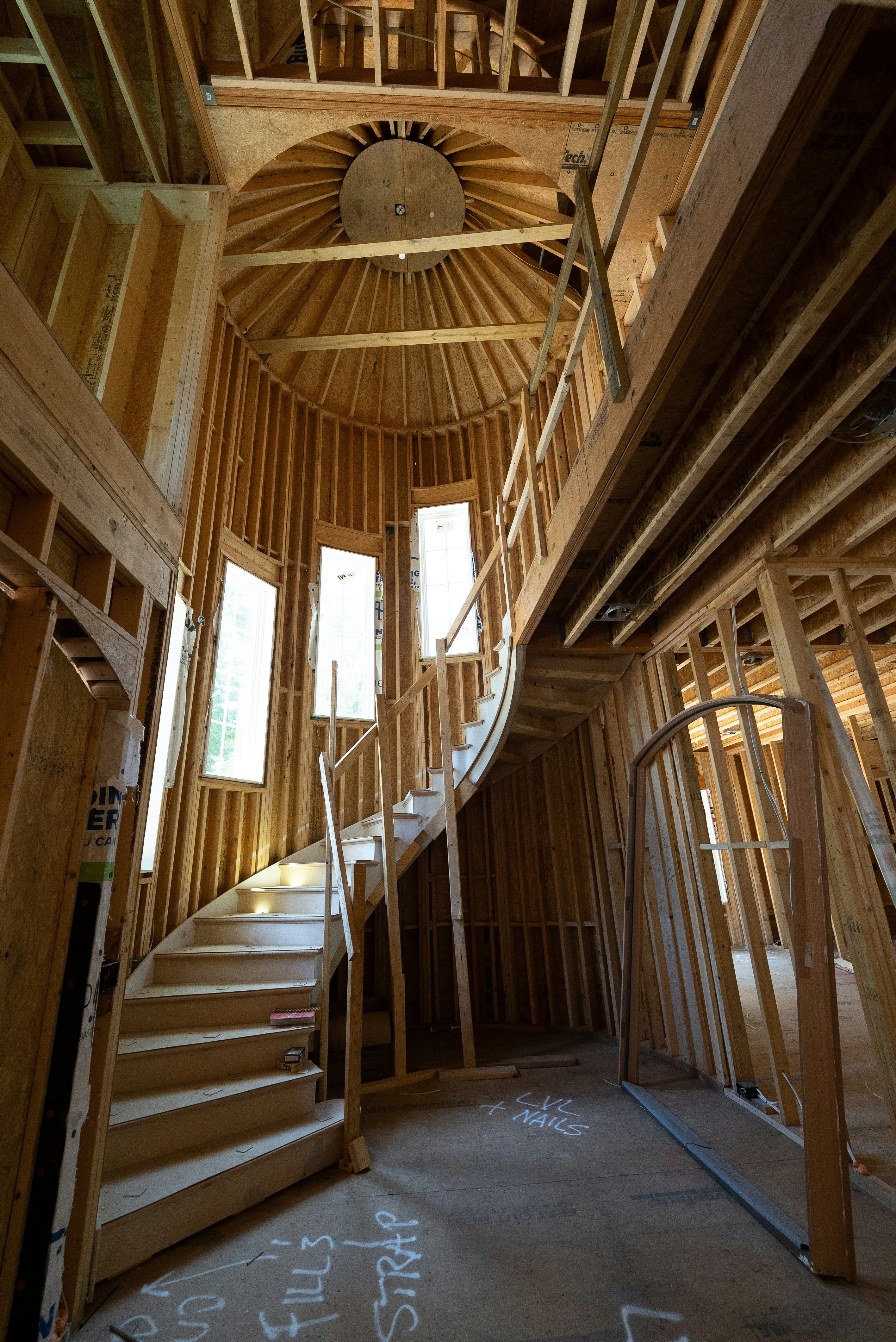
How to Prevent Construction Delays on Custom Home Builds
Learn the top 5 causes of construction delays in custom home builds and how to prevent them. Improve scheduling, manage change orders, and keep projects on track.

Mitchell Kasselman
March 18, 2026
The project started well. The homeowner was excited. The plans were signed. The timeline looked clean.
Then week six happened.
The tile selection was still pending. The framer needed to move on. The sub who was supposed to start the demo hadn't been confirmed and somewhere in a text thread, there was a scope change nobody had documented.
Two weeks became four. Four became eight.
Almost every builder has experienced this at some point. Custom homes are complex and a lot of moving parts have to stay aligned. The builders who consistently keep projects on track know how to manage the information as the job evolves.
In this post, I break down the five root causes of project delays on custom home projects and what the right system does about each one.
1. Late Homeowner Selections
When a homeowner misses a tile decision, the material order gets delayed, the tile installer can't be scheduled, and the phase that follows gets pushed. One of the builders I spoke with recently calls late selections the single biggest driver of project delays — ahead of weather, permits, and material shortages.
The problem is that most builders have no formal system to manage the process. Decisions get requested over email, deadlines are implied, and nobody tracks what's been approved and what's still pending.
Ressio's Selections feature lets builders assign a due date to every selection and release it to the homeowner for digital approval. The homeowner sees their options with clear pricing, approves with a click, and the budget updates automatically.
2. Change Orders That Live in Text Threads
Change orders are inevitable on a custom home build.
A scope change gets discussed on a jobsite walk. The homeowner says yes. It goes into a text thread. Nobody updates the estimate or adjusts the schedule. Three months later, the builder is absorbing a cost they thought was agreed to and there's nothing in writing to prove it.
An industry study found that scope changes affect ~40% of construction projects globally and add an average of 8 months to project timelines. Most of that damage is from the chaos that follows when a change isn't properly managed.1
Ressio's Change Order process turns every scope change into a formal workflow. Builders package changes into a professional document with a description, due date, and terms, and releases it to the homeowner for e-signature. Once approved, the estimate and budget update automatically. Every change is captured in a permanent change log from project start to finish so when a homeowner asks "didn't we agree to something different?" the answer is right there, timestamped and signed.
3. A Schedule Nobody Can See (Or Trust)
Most builders have a schedule, but the problem is it's static.
It’s a spreadsheet saved on a desktop or a PDF that was accurate three weeks ago. The moment something changes when a sub gets pushed or a delivery comes in late, the schedule is out of date and nobody knows it. The cascade effect kicks in fast. A two-week task that realistically needs four pushes the next trade, which pushes the next. By the time the compounding is visible, the project is a month behind.
Ressio's Schedule uses predecessor and successor logic so when one task moves, every dependent task adjusts automatically. Builders can toggle on the Critical Path to see exactly which tasks control the project completion date. The Timeline view shows every active project across the company in one place, so scheduling conflicts and resource overlaps become visible before they become problems. And the schedule can be shared directly with homeowners through the client portal.
4. Subcontractors Who Don't Know What's Coming
A sub can't show up ready if they don't know what's expected, when they're needed, or what's changed since last week.
Most sub coordination still happens through phone calls, texts, and memory. When something shifts, the wrong people find out too late. The sub shows up when the site isn't ready. Or the site is ready and the sub doesn't know it. Either way, the schedule slips.
Most of the time, it's not the sub's fault. The builder never gave them a formal, documented picture of what was needed and when. The expectations were verbal and the scope was assumed. This is ultimately a communication problem.
Ressio's Schedule lets builders assign tasks directly to vendors with a Notify button that sends an email with a magic link to the task — including scope, due date, and attached files. Vendors can confirm task acceptance before they ever set foot on site. For issues that come up unexpectedly, To-Dos handle everything outside the formal schedule. Each to-do is assigned to one person with instant notification and priority flagging so urgent issues get resolved fast and nothing disappears into a group chat.
5. No Visibility Means No Accountability
When nobody can see the full picture, small problems stay hidden until they're big ones.
A PM running three jobs from memory can't catch every overdue task. A homeowner with no window into the project calls every other day. Issues that could have been flagged in week two become difficult conversations in week eight.
The builders who consistently deliver have systems that surface them early. And when delays do happen, they have the documentation to protect themselves. A daily log. A timestamped change order. A record of what was communicated and when.
Ressio's Task Manager gives builders a cross-project view of every task due in the next two weeks with overdue items surfaced at the top, filterable by assignee or project. Daily Logs create a timestamped record of on-site activity that can be shared with the homeowner through the client portal and Mason AI, Ressio's AI assistant, can generate the summary automatically so the PM isn't writing reports at the end of a long day.
This allows homeowners to stay informed and the team stay accountable.
A Note on the Factors You Can't Always Control
Inspections get delayed, materials take longer than quoted, and weather doesn't care about your timeline.
These dependencies are not going away and every builder deals with them.
But the builders who consistently hit their move-in dates are the ones who have systems tight enough to absorb them. When your selections are locked early, your change orders are documented, and your subs know exactly what's coming, you have a buffer and are well positioned when something outside your control goes sideways.
The five causes above are the ones you can fix. That's where to start.
Final Word
Project delays don't announce themselves. They build with one unanswered selection, one verbal change order, and one sub who didn't get the updated timeline. By the time it's visible, it's already expensive.
The builders who deliver on time have built systems that catch problems early, keep everyone informed, and create accountability across every part of the project. They don't manage by memory. They don't rely on text threads. And they don't find out something slipped three weeks after it happened.
That's what Ressio is built for.
Frequently Asked Questions
What is the most common cause of custom home construction delays?
Late homeowner selections are the single biggest driver of custom home delays ahead of weather, permits, and material shortages. When a selection isn't made on time, it triggers a cascade: material orders get delayed, trades can't be scheduled, and downstream phases get pushed. The fix is a structured selection process with documented deadlines and a clear approval workflow.
How do change orders affect a construction schedule?
Unmanaged change orders are one of the most common and most preventable causes of schedule disruption. When scope changes are agreed to verbally and not formally documented, they create budget gaps, scheduling conflicts, and disputes that surface months later. Every change order should include a written description, a signed approval, and an automatic update to the project estimate and budget.
What should a construction schedule include to prevent delays?
An effective construction schedule goes beyond a list of dates. It should include task dependencies so when one task moves, downstream tasks adjust automatically. It should identify the critical path, showing which tasks directly control the project completion date. It should be shared with the full team, including subs and the homeowner, and updated continuously throughout the build
How do top builders keep subcontractors on schedule?
Top builders assign subs to specific schedule tasks with documented scope, clear due dates, and formal notifications. When something changes, subs are notified through the system immediately. And for issues that come up unexpectedly on site, a To-Do system ensures every action item is assigned to one person with a due date and priority level.
Sources:
1. https://gobridgit.com/blog/overcoming-construction-delays/