Why Homeowners Get Frustrated and How Builders Can Prevent It


Most homeowner frustration doesn’t show up as anger. It shows up as…
“Any update?”
“Just checking in.”
“Do you know when this is happening?”
When builders see this pattern, the instinct is to communicate more. More calls. More explanations. More reassurance.
But when homeowners don’t have a clear place to see progress, decisions, and what’s coming next, uncertainty fills the gap. And uncertainty is what turns small issues into emotional ones.
This article discusses how a project management software can help builders better manage expectations and make the right information visible at the right time.
Shared Visibility
Strong expectation management starts with shared visibility. Builders and homeowners need access to the same version of reality, updated as the project evolves.
Construction management software supports this shift by centralizing the moving parts of a build—communication, decisions, schedules, approvals—into a single system. Not to replace human communication, but to support it.
The result is alignment instead of reassurance.
Homeowners stop wondering whether something is happening because they can see it. Builders stop re-explaining decisions because they’re already documented. Conversations move forward instead of looping backward.
A system does the remembering so people don’t have to.
How a Client Portal Reduces Anxiety
Homeowners do not want to manage the project. They want confidence that it is being managed.
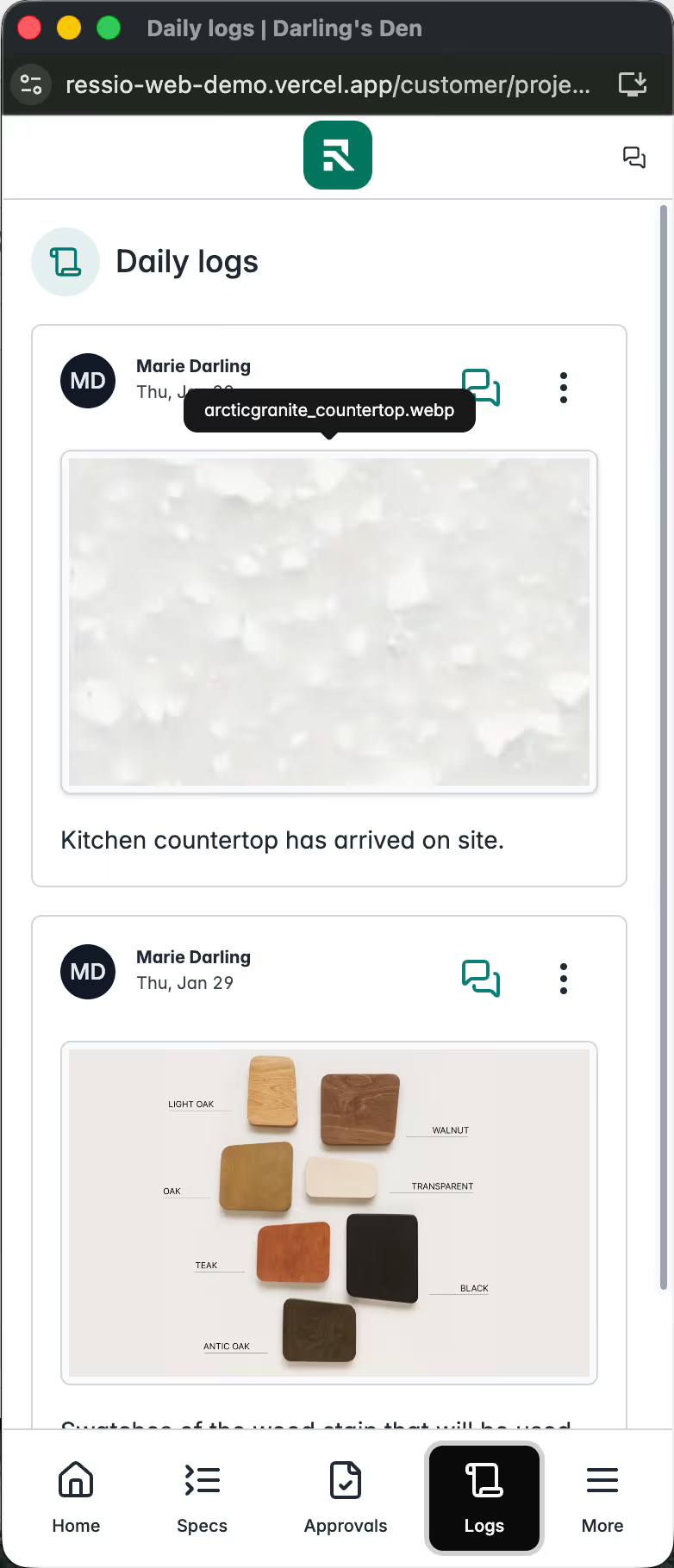
A client portal supports that confidence by giving homeowners a clear window into the build without requiring constant outreach. Schedules, approvals, selections, photos, and updates live in one place. Information is accessible without asking for it.
This replaces the habit of status-checking with self-service clarity.
Instead of wondering whether a decision was received or approved, homeowners can easily see it. Instead of asking what’s next, they can view upcoming milestones.
The portal becomes the reassurance they need that the project is moving forward as expected.
Like a well-labeled dashboard, it tells the story at a glance.
Why Messaging Structure Matters More Than Speed
Expectation breakdowns often escalate through messaging. A quick text sent at the wrong moment or an email thread where context gets lost.
Purpose-built messaging tools solve this by introducing boundaries and context.
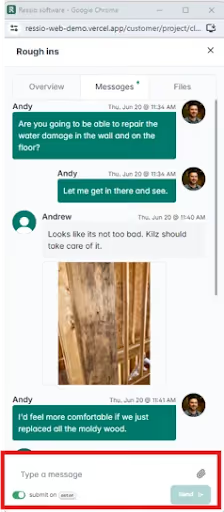
Messages stay attached to specific items—selections, costs, approvals—so conversations remain grounded in real decisions. Homeowner-facing communication stays separate from internal or vendor discussions, which protects clarity on both sides.
When messages live inside the project, they age well. Anyone can revisit them later and understand what was decided and why.
That continuity prevents small misunderstandings from turning into emotional friction.
Expectation Management Starts Earlier Than Builders Think
Homeowner expectations are shaped long before construction begins.
When a builder introduces a structured system early—during preconstruction or even sales conversations—it signals how the project will be run. Transparency, documentation, and predictable communication rhythms become part of the experience from day one.
This builds trust and helps land projects because homeowners feel steadier committing to a long process. It also helps ensure success because the framework for managing expectations is already in place when challenges arise.
The system carries the weight so conversations can stay focused and productive.
A Common Scenario, Two Very Different Outcomes
Consider a mid-project delay caused by a material lead time.
Without a shared system, the homeowner hears about the delay in a call or email. They may understand in the moment, but weeks later the schedule still feels off. They check in again. The explanation is repeated. Frustration creeps in simply because it feels unmanaged.
With a construction management platform in place, the same delay is documented as it happens. The schedule reflects the change. Any related approvals or decisions are visible in the same place. When the homeowner checks the project, the story is already there.
Nothing feels hidden or feels forgotten.
Final Thoughts
Managing homeowner expectations does not require saying more or checking in more often. It requires making the right information visible at the right time, in the right place.
Construction management software helps builders do this by creating a shared source of truth that carries the project forward. When homeowners can see progress, decisions, and changes as they happen, confidence replaces uncertainty.
And confidence is what builds trust between the builder and the homeowner, ensuring a successful project every time.
Discover the Future of Building with Ressio
See why modern builders are ditching legacy platforms for Ressio. Book a demo and discover AI-powered automation that actually saves time and protects margins.
Learn More